
Helping Your Child Get the Most From Practice
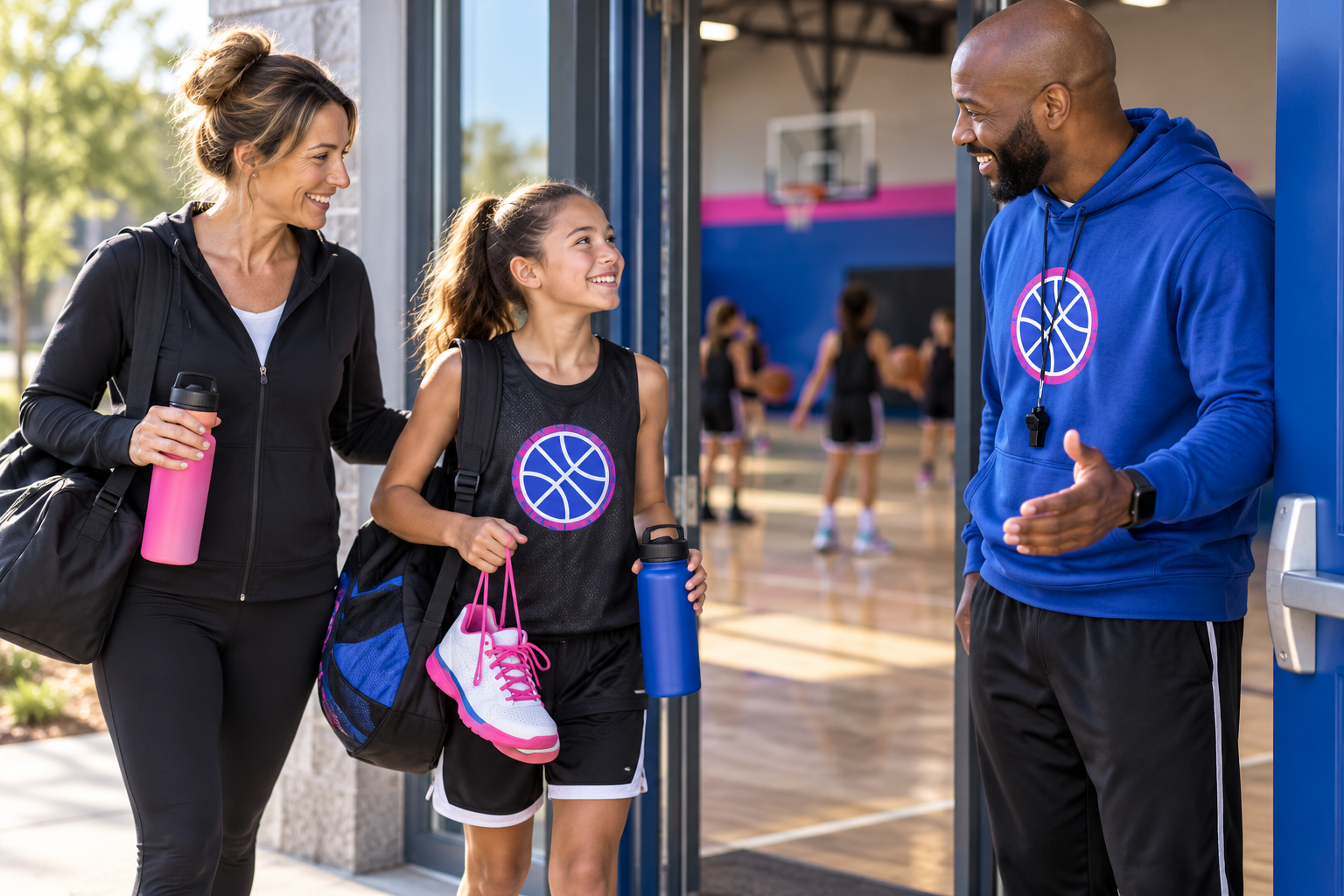
The best practice habits begin before the first whistle and continue after the last drill.
Practice is where athletes make mistakes safely, receive coaching, and build reliable habits. A few simple routines can help children arrive ready to learn and leave able to reflect.
Before practice: reduce the rush
Check the schedule and location, pack shoes and a filled water bottle, and leave enough time to arrive calmly. A short pre-practice snack may be appropriate based on the child’s needs and family guidance.
Sleep, regular meals, and hydration support attention and effort. Follow advice from the child’s healthcare professional when medical conditions, allergies, injuries, or nutrition concerns are involved.
Give the athlete ownership
Even young players can help pack their bag, carry equipment, and remember a personal goal. Responsibility should match the child’s age, but it should gradually grow.
A checklist can provide support while still making the player responsible for completing it.
Support the preparation, protect the relationship, and let the athlete own the learning.
During practice: let coaches coach
Children learn best when they can focus on one set of instructions. Side coaching from the bleachers can create confusion, even when well intended.
Parents can encourage effort, respect coaches and officials, and allow players to work through manageable challenges. Discuss concerns calmly at an appropriate time—not during a drill.
Help players become coachable
Coachable athletes listen, try the correction, ask useful questions, and stay engaged when they are not first in line.
Ask, “What is one thing your coach taught today?” or “What would you like to practice again?” These questions invite reflection rather than judgment.
After practice: recover and reflect
Offer water, a balanced meal or snack as appropriate, and time to settle. Some athletes want to talk immediately; others need quiet first.
Keep the ride home emotionally safe. “I enjoyed watching you work” can be more helpful than an instant list of corrections.
What felt better today?
What was challenging?
How did you help a teammate?
What is one goal for next time?
A short home routine
Ten focused minutes can reinforce a skill without turning home into another formal practice. Choose one coach-approved activity and stop while the athlete is still engaged.
Long-term motivation grows with both structure and ownership. The family’s role is to create conditions for growth and remind the athlete that worth never depends on performance.
PARENT RESOURCES
Calm preparation creates room to learn.
Simple routines help athletes arrive focused, respond to coaching, recover well, and reflect on progress.
KEY IDEA
Parents are most powerful as steady supporters—not as a second sideline coach.

