
Building Leaders, One Possession at a Time
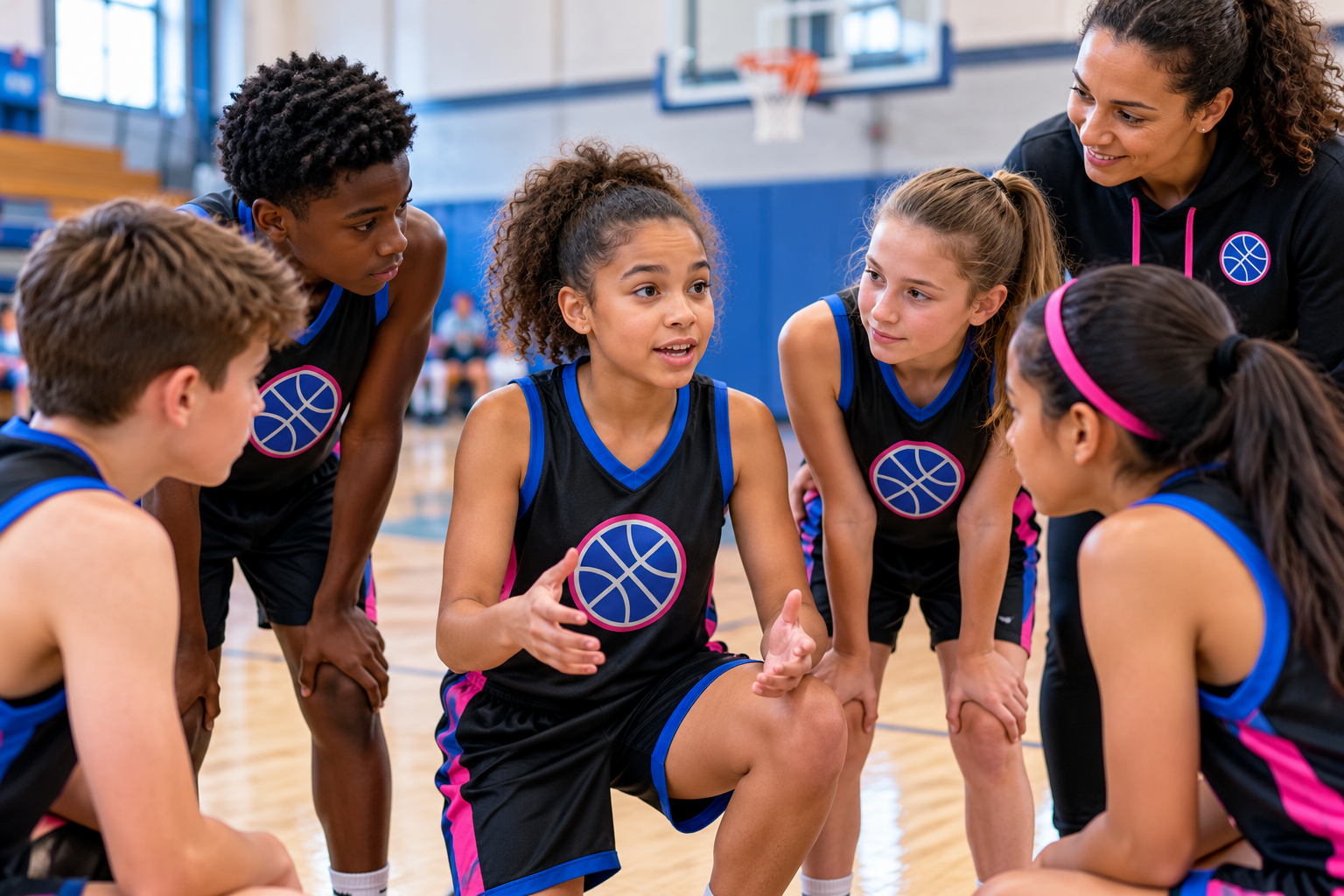
Every trip down the court gives a young athlete a chance to communicate, decide, respond, and serve. Those small moments are where leadership begins.
Leadership is not reserved for the highest scorer or the loudest voice. It is a daily practice: noticing what the team needs, making a responsible choice, and helping others move forward.
The game keeps asking questions
Basketball moves quickly. Who will call out the screen? Who will sprint back after a turnover? Who will settle the group when momentum changes? A possession lasts only seconds, but it asks players to read the moment and act for the good of the team.
At Cornerstone, coaches use those moments as a leadership laboratory. We teach the skill, then help players understand the responsibility attached to it. Clear communication, steady effort, and unselfish decisions make the team better—and the same habits matter at school, at home, and in the community.
Communication that builds trust
Strong leaders make teammates feel informed and supported. On the court, that may mean calling a defensive switch, encouraging a player who missed a shot, or asking a respectful question when instructions are unclear.
Volume is not the same as leadership. The best communication is timely, specific, and respectful. It gives a teammate something useful to do next.
Say what the team needs, not what makes you look important.
Listen fully when a coach or teammate is speaking.
Use names, eye contact, and clear basketball language.
Encourage effort while still holding the standard.
A leader does not need the ball in their hands to change the direction of a team.
Decisions reveal priorities
A pass to an open teammate, an extra defensive rotation, or the choice to slow down and run the offense can be a leadership decision. Players learn to see beyond their own statistics and ask, “What helps us most right now?”
Coaches can pause a drill, ask what the athlete saw, and let the player explain a better option. Reflection turns a mistake into information instead of a label.
Adversity is part of the lesson
Missed shots, difficult calls, fatigue, and losses are unavoidable. A young leader does not pretend those moments feel good. Instead, the athlete learns to manage the response: take a breath, accept coaching, make the next effort, and stay connected to teammates.
Resilience grows when adults keep the standard clear without withdrawing support. One mistake does not define a player, and each athlete remains responsible for what comes next.
Leadership is service
Some of the most important leadership is almost invisible: arriving prepared, helping gather equipment, welcoming a new player, or celebrating someone else’s improvement. These actions say, “I am responsible for more than myself.”
When service becomes normal, teams become safer places to learn. Athletes are more willing to try, ask questions, and recover from mistakes because teammates are invested in their growth.
How families can reinforce it
After practice, ask questions that point beyond the scoreboard: Who did you encourage? What decision are you proud of? How did you respond when something went wrong? What will you do differently next time?
Those conversations help young athletes recognize leadership as a collection of choices. One possession at a time, they learn that influence is earned through consistency, character, and care for others.
CORNERSTONE SPOTLIGHT
Leadership lives in the next choice.
We use basketball to help students practice communication, responsibility, resilience, and service in real time.
KEY IDEA
Notice what the team needs, choose a helpful response, and follow through.

