
Five Ways Young Athletes Can Build Confidence
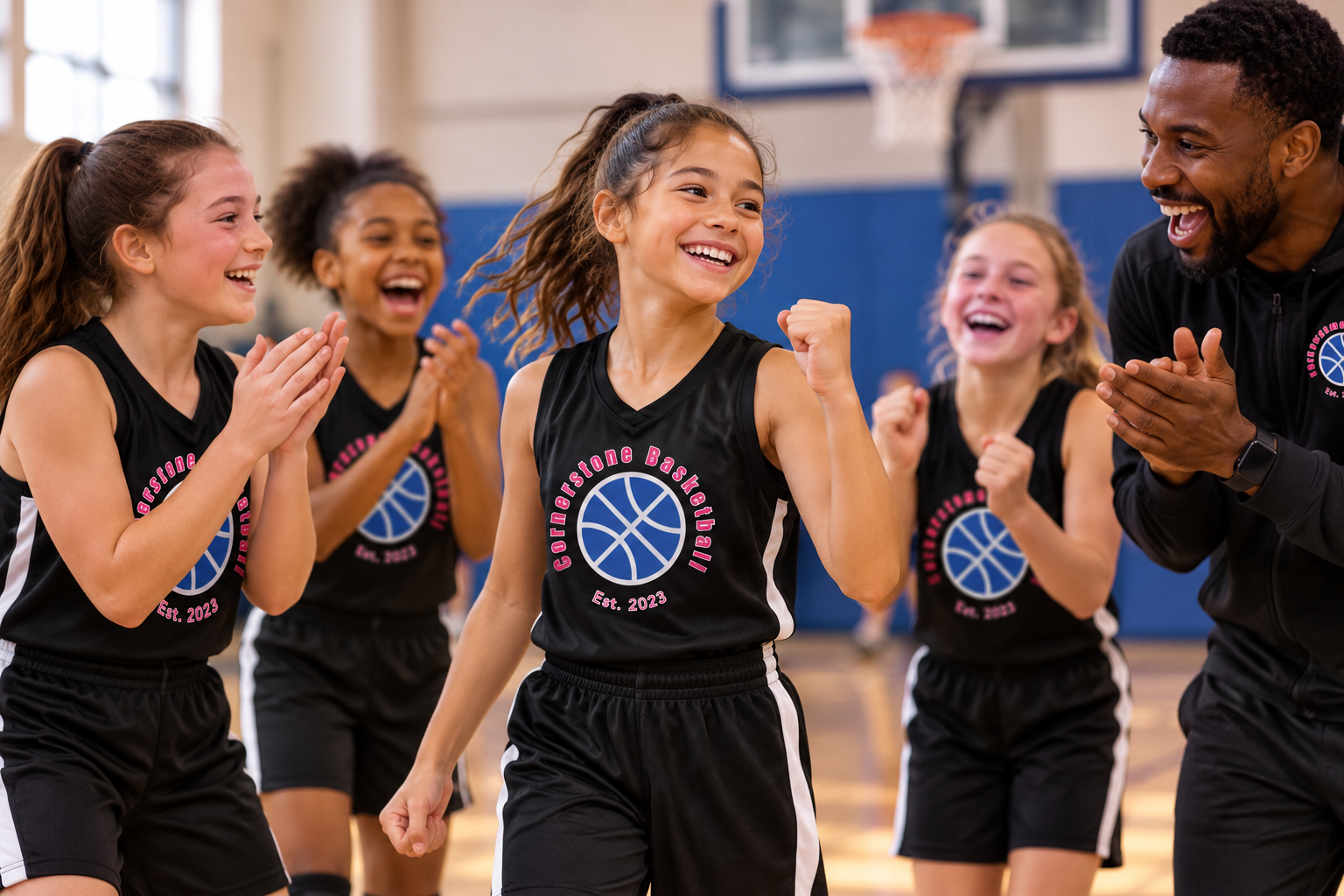
Confidence grows when preparation, honest feedback, and small acts of courage become habits.
Real confidence is quieter than hype. It is the belief that you can face the next challenge, use what you have practiced, and recover if the result is not perfect.
1. Prepare for the moment
Confidence begins before the game. Consistent practice gives the brain and body evidence: I have done this before. A player who has repeated footwork, ball-handling, shooting form, and defensive movement can rely on familiar habits when pressure rises.
Preparation also includes sleep, hydration, arriving on time, and bringing the right equipment. These choices create a sense of readiness that athletes can control.
2. Set small, specific goals
“Play better” is difficult to measure. A useful goal is clear and achievable: use the weak hand during a drill, communicate on every defensive possession, or make five strong passes before forcing a shot.
Small goals direct attention toward the process. Each completed step becomes proof of progress, and progress builds belief.
Confidence is evidence collected through preparation, effort, reflection, and the courage to try again.
3. Change the way you speak to yourself
Athletes do not need to pretend every moment is easy. They need language that helps them act. Replace “I always mess up” with “I rushed that one; set my feet on the next rep.”
Helpful self-talk is honest, brief, and focused on the next controllable action. Coaches and families can model the same pattern.
4. Treat mistakes as information
A missed shot or turnover is feedback, not a verdict. Confident athletes identify what happened, accept a correction, and try again without carrying the mistake into the next possession.
This does not remove accountability. It makes accountability productive: “What can I learn and apply now?”
5. Build others up
Encouraging a teammate may seem unrelated to personal confidence, but service shifts attention away from fear of judgment. When athletes communicate, celebrate effort, and help the group, they experience themselves as valuable contributors.
Teams with a supportive culture make it safer for every player to take healthy risks and learn.
What adults can do
Praise preparation, courage, coachability, and improvement more often than outcomes. Ask athletes what they learned before analyzing the score. Keep feedback specific and leave room for the child to own the experience.
The goal is not a child who never doubts. It is a young person who knows how to move forward even when doubt appears.
Notice one specific improvement.
Ask before giving a long critique.
Avoid comparing teammates or siblings.
Celebrate brave attempts as well as results.
PLAYER DEVELOPMENT
Belief follows brave action.
Young athletes build durable confidence when they focus on controllable habits and see progress over time.
KEY IDEA
Give athletes a next step they can act on—not a label they have to live up to.

