
Why Accountability Makes Better Teammates
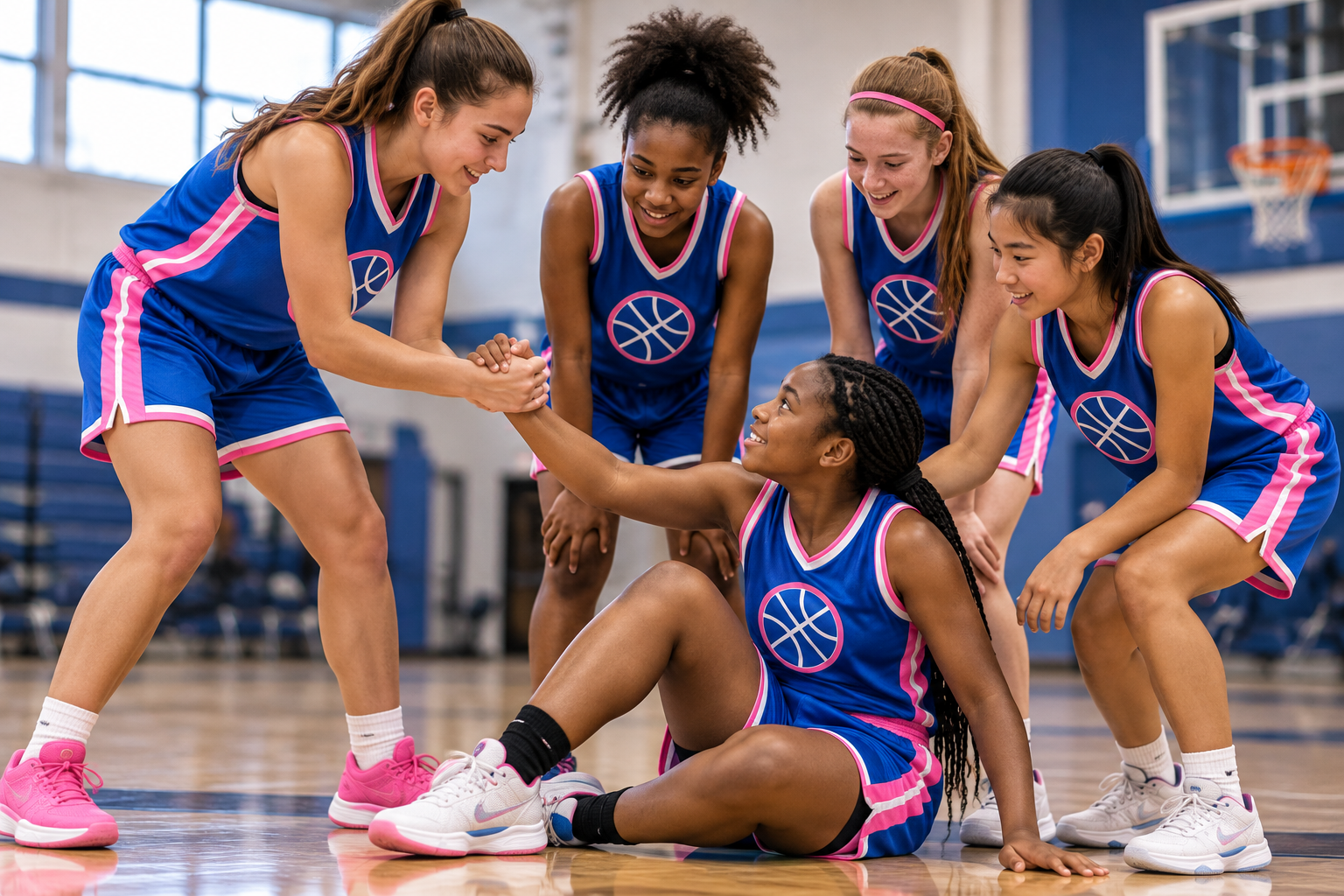
Accountability is the courage to own a choice, repair what needs attention, and follow through for the people counting on you.
Teams become dependable when players learn to say, “That was mine,” without excuses—and then make the next helpful choice. That habit builds trust faster than perfection ever could.
Ownership creates trust
Every teammate will miss an assignment, forget a detail, or make a poor decision. Trust grows when a player acknowledges what happened and shows a commitment to correct it.
A simple response—“I missed the rotation. I have it next time.”—keeps the team focused and shows that responsibility will not disappear when things get hard.
Standards need support
Accountability should never become humiliation. Calling out a teammate without helping them improve creates fear, not growth. Strong teams pair clear standards with respect.
Coaches can describe the behavior, explain its impact, ask for the athlete’s perspective, and agree on a next action.
Accountability says: I matter to this team, my choices have an impact, and I can help make it right.
Preparation is accountability
Showing up on time, bringing equipment, knowing the drill, and communicating an absence protect the team’s time and allow everyone to work effectively.
A packed bag by the door, a shared calendar, or a pre-practice checklist can turn good intentions into dependable habits.
The next-play response
Accountability does not mean dwelling on the mistake. Take a breath, communicate, sprint back, and complete the next assignment.
This response trains emotional control. Feelings are real, but they do not have to decide the next behavior.
Holding one another up
Peer accountability works best when relationships are strong. Teammates who consistently encourage, listen, and serve have earned credibility to offer a reminder.
The purpose is restoration: help the teammate return to the standard and remain connected.
Own your part first.
Address behavior, not worth.
Be specific about the next action.
Acknowledge improvement.
A skill for life
The same habits matter in school projects, friendships, work, and family responsibilities. People trust leaders who communicate early, admit mistakes, and complete what they promise.
Each possession offers another chance to choose responsibility, and each good choice strengthens the team.
LEADERSHIP
Trust grows through follow-through.
Dependable teammates communicate, prepare, own choices, and respond to mistakes with action.
KEY IDEA
Correct without shaming; support without lowering the standard.

